


Three Things Worth Thinking About When Choosing Internal Doors
From the SWD Experts
We’re often asked where the best place is to start when it comes to choosing internal doors. It’s rarely the first decision in a project but it’s one that will have a lasting impact on how a home is experienced.
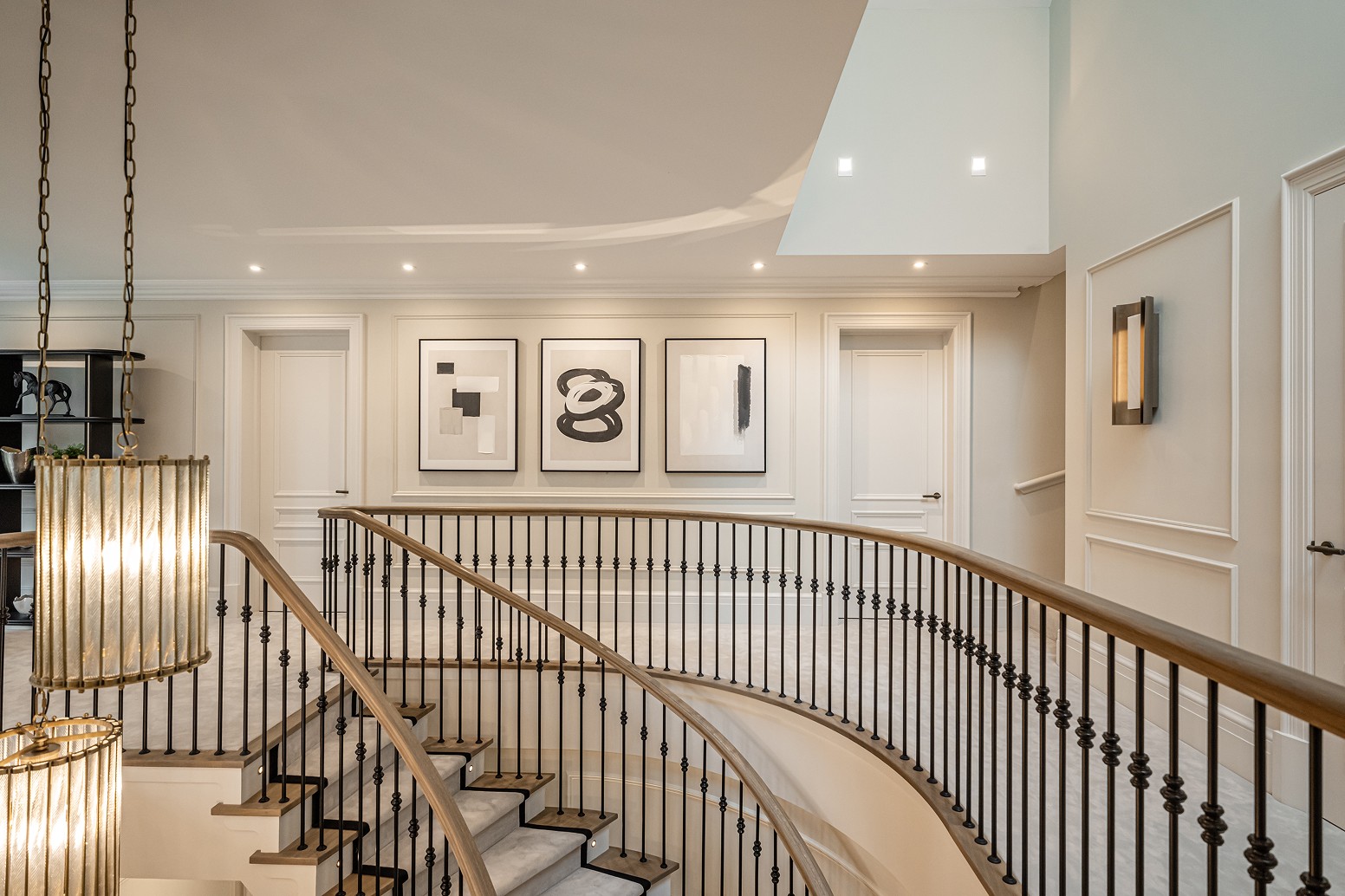
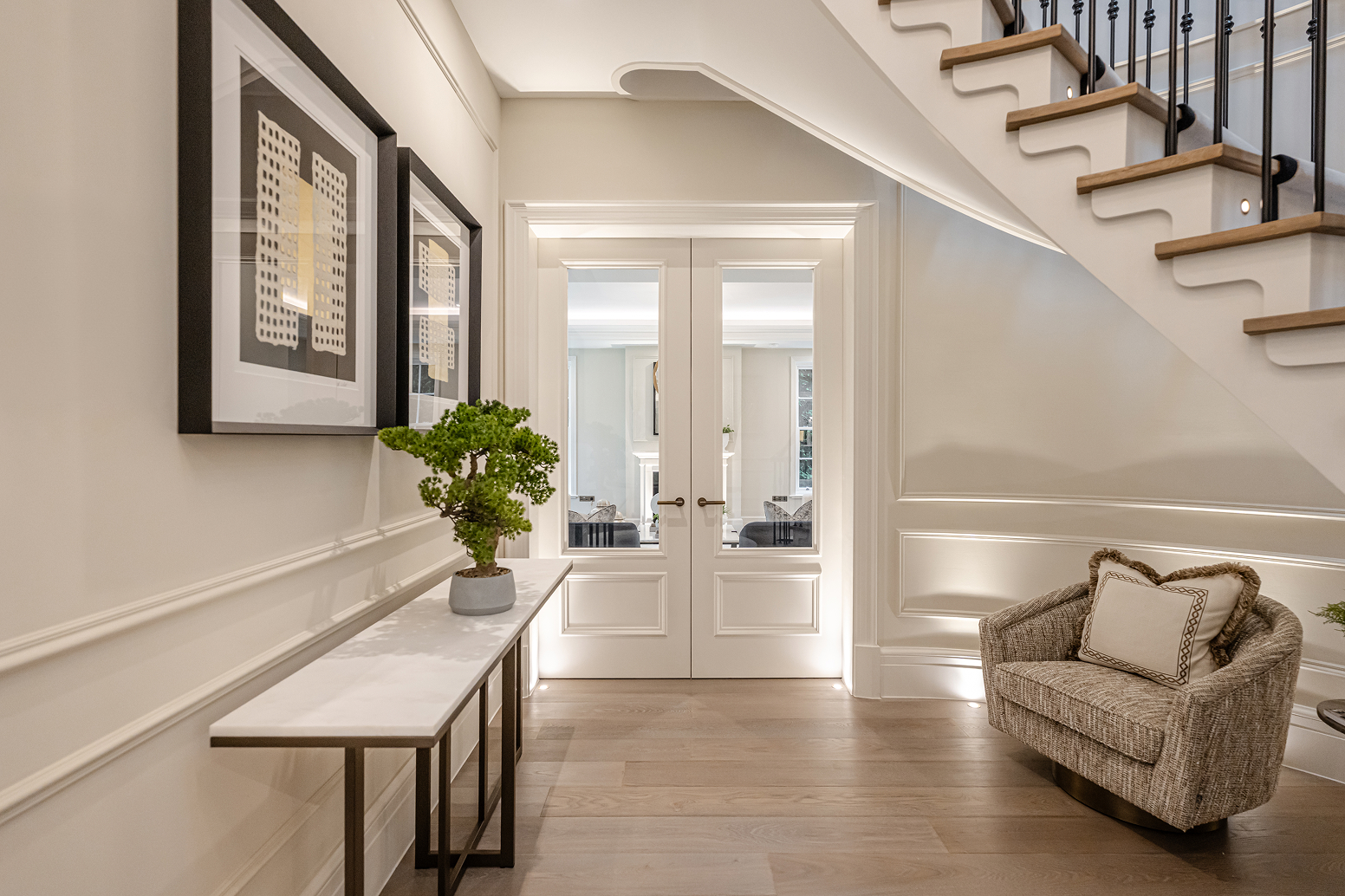
Doors sit at every threshold, and because of that, they do more than simply divide a space; they shape how a room is framed, how it feels to enter and how light moves through it.
Whether you’re at the beginning of a renovation or refining the final details, there are a few considerations that we find consistently make the biggest difference. Below, we’ve highlighted the most common ones to help you decide on the right approach.
Flow & Cohesion
Doors are rarely experienced in isolation and are usually part of a sequence. It’s this sense of movement throughout a home that defines how connected or disjointed it feels. When proportions or finishes shift too much between rooms, that sense of continuity can be lost and spaces can begin to feel unrelated; even if the wider design has been carefully planned out.
A more effective approach is to establish a clear direction early on and allow that to be carried throughout the home. This doesn’t mean that every door needs to be identical, but there should be a shared thread of consistency; whether that’s in the panel layout, the material, the hardware or the finish.
For example, designs within the SWD Classic Collection provide a familiar structure that can be used consistently across a property. This creates a sense of tradition and calm; without feeling repetitive.
.jpg)
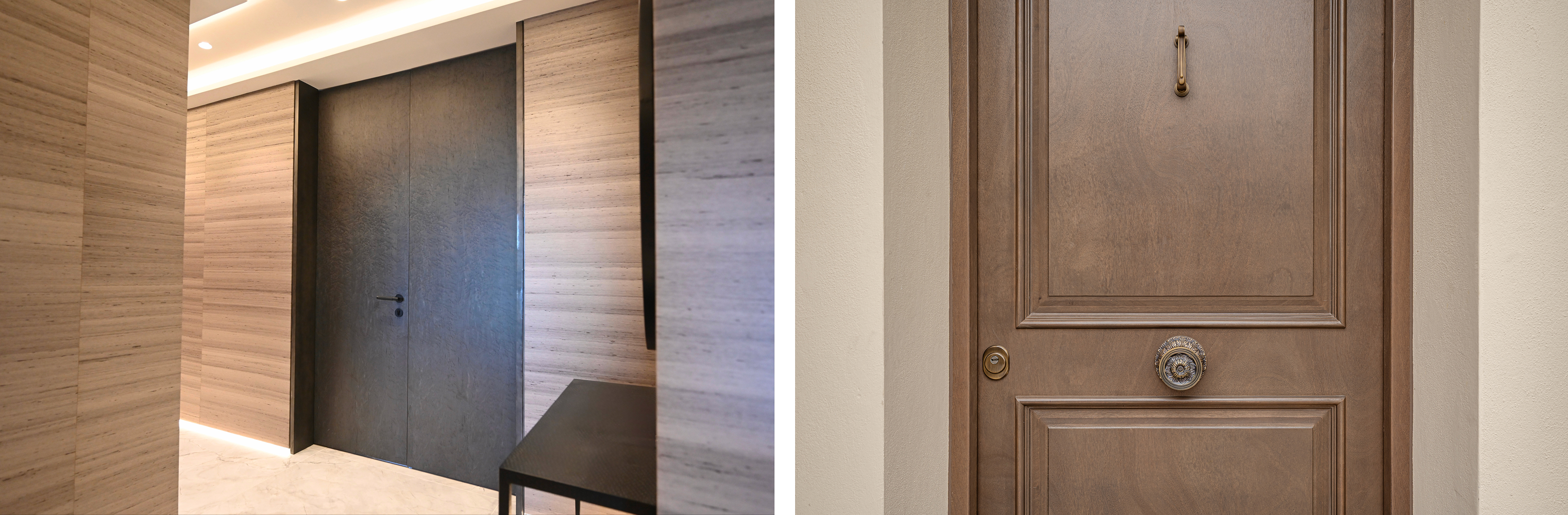
In contrast, the SWD Natural Collection and SWD Urban Collection take a more pared-back, contemporary approach, where the focus shifts towards raw materials rather than defined panelling. Both approaches work, but what matters is consistency; this will be the thing that radiates a sense of cohesion for the home.
.jpg)
It’s also worth considering how your doors will relate to adjacent elements such as skirting, architraves, artwork and wall finishes. When these details are aligned, it’s not something that you’ll immediately notice, it’s something that you will feel; a sense that each space belongs to the same whole and is connected to its surroundings.
Light & Space
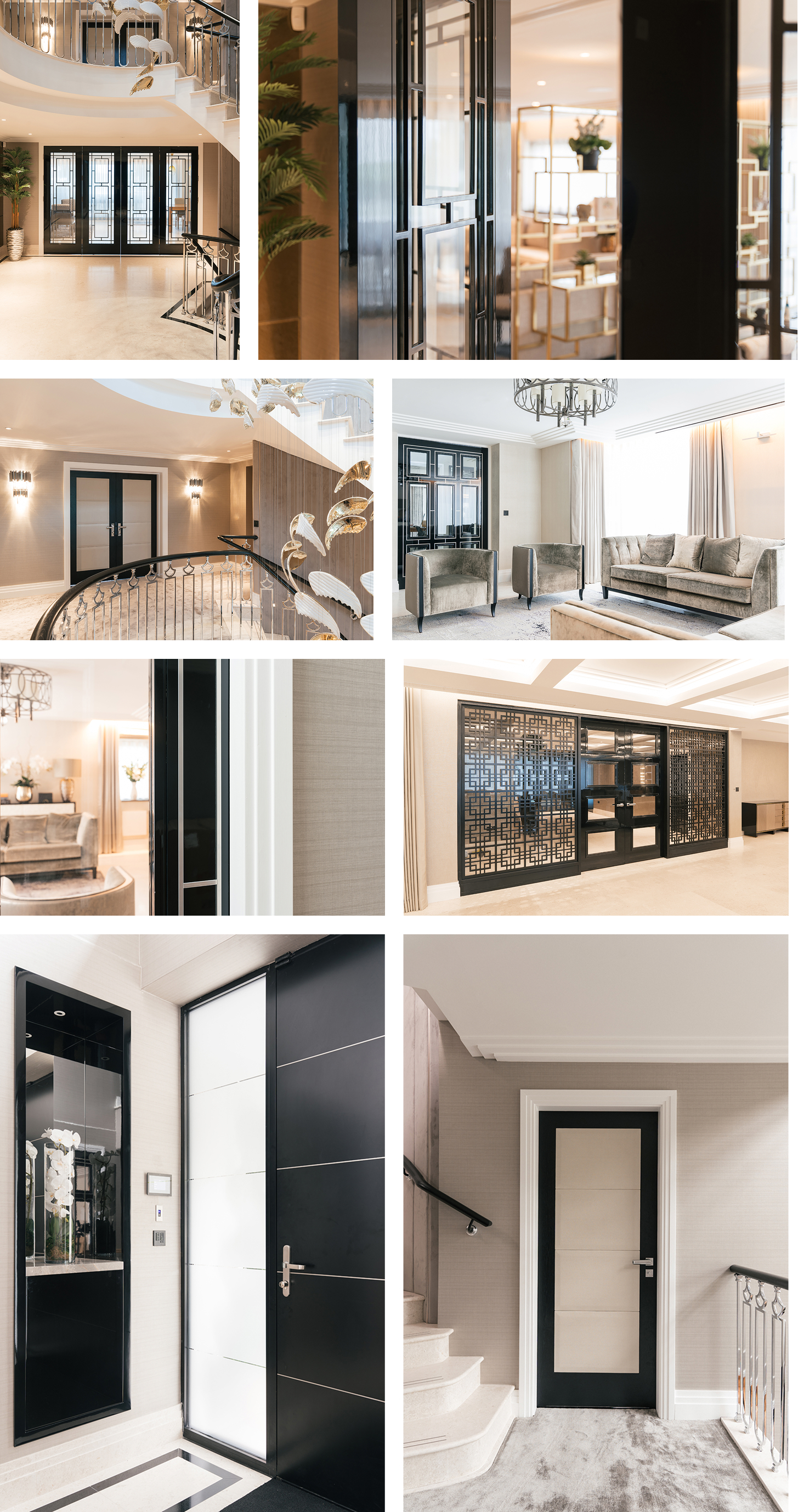
The way that a door handles light can change the atmosphere of a room entirely. In many properties, natural light is concentrated into a few key areas, leaving other spaces feeling darker or more enclosed. Introducing glazing to internal doors can help to redistribute that light; allowing it to move more freely. This is particularly effective in connecting spaces such as hallways and landings, where there tends to be less direct light sources. A glazed door doesn’t just brighten a space; it makes the home feel more open and connected.
.jpg)
Designs within the SWD Lattice Collection are often used in this way. The framework introduces structure, whilst the glazed sections maintain visibility and allow light to pass through without fully opening up the space.
.jpg)
Full-height doors can also play a role by subtly altering the proportions of a room; drawing the eye upward and giving a greater sense of scale. In properties with lower ceilings or narrower layouts, this can make a noticeable difference to how spacious a room feels.
These decisions are often most effective when made early in the design process. Once layouts and openings are fixed, it becomes more difficult to introduce changes that affect light flow.
However, it’s not always about making a space brighter, as our model R131 shows here. Often, it’s about making it feel more connected and allowing movement to travel more naturally, regardless of the chosen colours of the décor.
Detail & Finish
The final impact of a door often comes down to the little details. This includes the obvious elements such as handles, hinges, materials and finishes, but also the more subtle aspects; the weight of the door, the way it closes and how it sits within its frame. When they’re brought together well, the experience feels effortless. When they’re not, even a well-designed door can feel incomplete.
.jpg)
For more defined designs, such as those within the SWD Lacada Collection and SWD Larino Design Collection, the right hardware and finishes becomes particularly important. These collections introduce a stronger visual identity; whether through a modern interpretation of traditional panelling or more expressive, design-led forms. For these, we recommend detailing that doesn’t detract from the main impact of the door, but instead sits comfortably against the more dramatic backdrop of the design itself.
At the other end of the spectrum, simpler doors place greater emphasis on material and finish quality. With fewer visual features, these things become more prominent; as well as consistency across edges, joins and bolder choices of hardware.
It’s often these smaller decisions that define the overall result. They don’t demand attention, but instead will shape how the door is enjoyed over time.
The SWD Approach
Internal doors are often thought of towards the end of a project, once the layout has already been decided. In reality, they work best when considered much earlier. They sit at the point where spaces meet, and because of that, they have a unique role in shaping how a home will feel as a whole.
When approached with the same level of thought as other elements, rather than treated as a final addition, they can bring a greater sense of connection to the overall design.
To start your own SWD design journey; one defined by traditional craftsmanship, you can explore our range of internal door collections here. For more information or advice on how to bring out the character of your property, simply contact one of the SWD team who would be happy to help.
.png)
.jpg)