


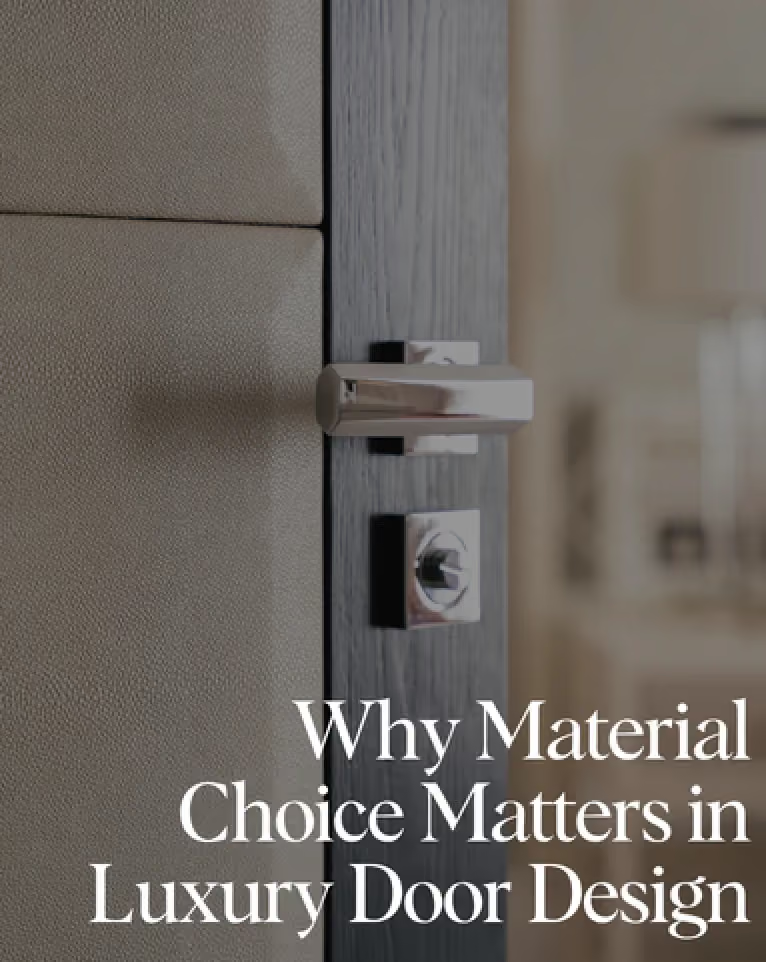

Why Material Choice Matters in Luxury Door Design
When people think about luxury door design, their attention is often drawn to the overall style of the door itself. The panel layout and distinctive features naturally become the focus; particularly when the design is intended to make a strong visual statement.

What’s interesting though, is that the very same door can emit an entirely different feel depending on the veneer, finish, hardware and decorative elements that are used to complete it. Material selection is often just as important as the design itself and can influence how a door contributes to the wider character of a home.
At SWD these choices form a central part of the design process and rather than being treated as a final decision, they are considered from the outset; allowing every element of the door to work together as a cohesive whole.
Materials Bring a Design to Life
When discussing luxury doors; design and materials are often viewed as separate decisions. In reality though, the two are closely connected and the material often influences the design just as much as the design influences the material. This is one of the reasons why luxury doors rarely begin with a simple question of style. Before colours, hardware or finishes are selected, consideration is often given to the materials that will best support the overall vision for the project.

Certain design features can only be achieved through particular materials:
- A rich timber veneer introduces natural variation and texture that painted finishes cannot replicate.
- A high gloss lacquer creates a level of glamour that completely changes how a room is perceived.
- Metal detailing introduces contrast and precision that would be impossible to achieve through timber alone.
The result is a door where the design and material feel inseparable, each enhancing the qualities of the other.
Why Luxury Doors Rarely Use Just One Material
Some of the most successful luxury door designs are built around the relationship between multiple materials rather than relying on a single finish. Timber may provide warmth and texture, metal can introduce structure and contrast, whereas glass can create openness and improve light flow. Finally, hardware adds another layer of detail, helping to define the overall character of the doorset.
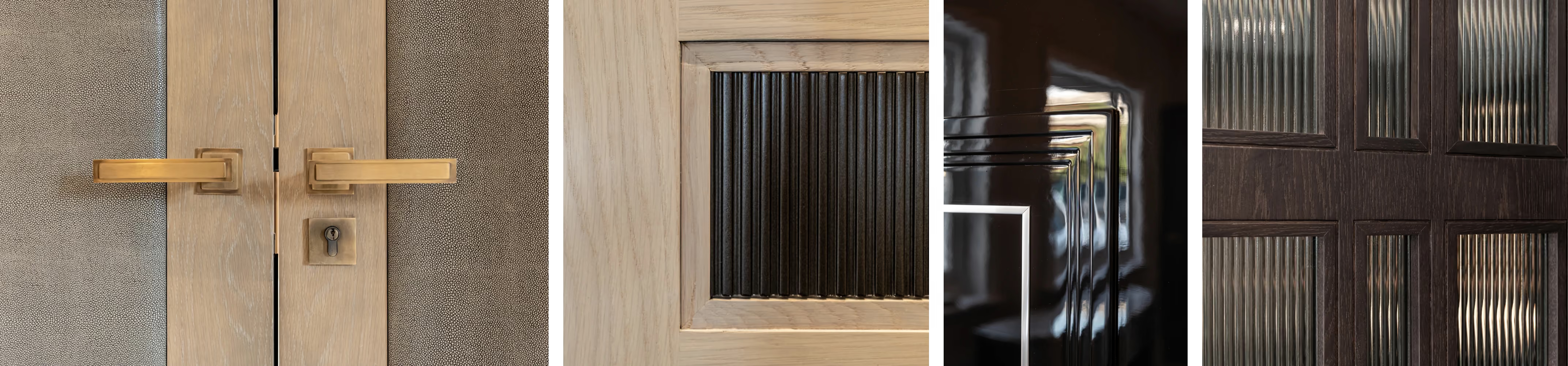
When these elements are combined thoughtfully, the result feels more architectural.
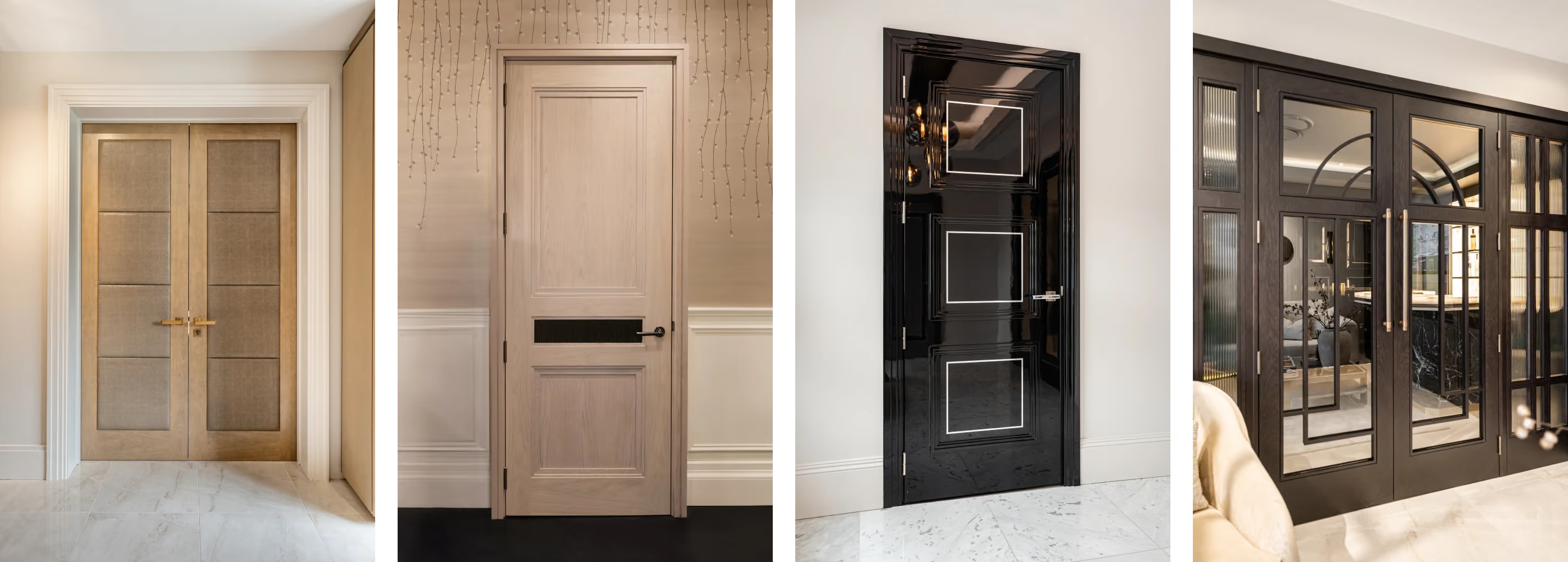
This layered approach has become increasingly popular within contemporary design, where visual interest is often created through the interaction of materials rather than statement decoration. The contrast between surfaces allows each material to highlight the qualities of the next, creating a design that feels balanced.
The Rise of Mixed-Material Designs
The addition of a second material creates contrast without overwhelming the overall aesthetic as it draws attention to the precision of the craftsmanship.
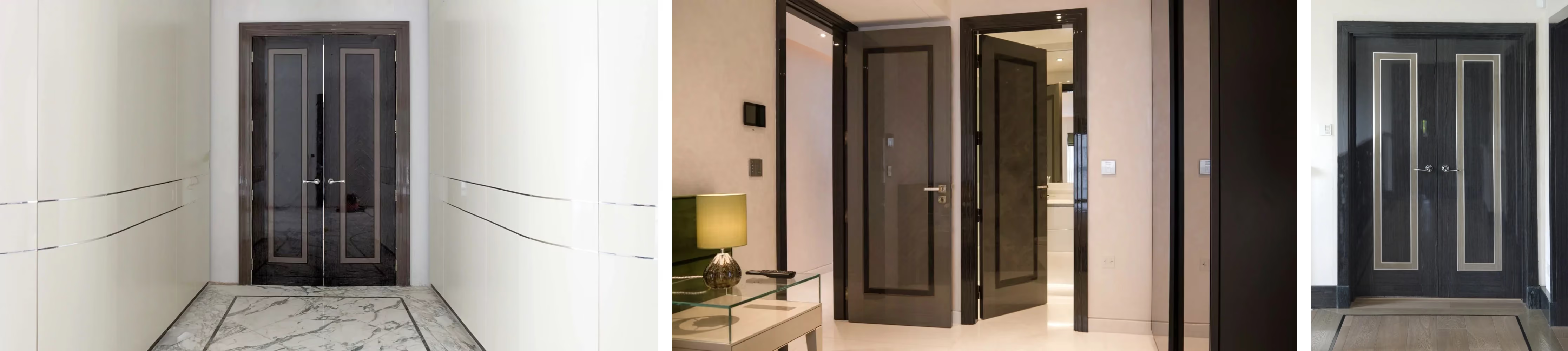
One of the clearest examples of this approach can be seen within doors that combine timber and metal. The 155ALU model from our Urban Collection demonstrates how aluminium inlays can completely alter the appearance of a contemporary door. Rather than relying solely on panel layouts this detail introduces a more industrial edge, resulting in a cleaner, sharper appearance that feels confident and design-led; perfectly suited to contemporary homes.
This trend towards mixed-material design can extend further, with bronze accents, brass detailing, leather panels and contrasting veneers increasingly being used within luxury residential projects to create additional depth and individuality. The result is a more bespoke approach to design; one that moves beyond standard finishes and allows materials themselves to become part of the visual story.
Material Choice Influences Longevity
.avif)
Luxury design isn’t simply about how something looks on the day that it’s installed, it’s also about how it performs over time. Material choice plays a significant role in this, with natural timber developing character as it ages and brass hardware gradually acquiring a protective layer that develops due to reaction to its environment; something that many homeowners actively seek out. High quality veneers will also retain their depth and richness for years.
%20(1)%201.avif)
The best luxury materials don’t simply withstand time; they often become more interesting because of it; and these qualities are difficult to replicate with lower-grade alternatives.
This long-term perspective is one of the reasons that material selection remains such an important part of high-end design. It’s not only about creating an immediate impression, but instead making sure that the door continues to complement the property for years to come.
Hardware as a Design Material

Hardware is often treated as an accessory but within luxury door design it should be considered a material in its own right. The finish of a handle, whether it’s pull, flush, lever or turn and release; can dramatically influence the overall appearance of a door, and because these elements are touched every day, their quality is often felt just as much as it is seen.
In many cases, it’s these smaller details that elevate a design from functional to exceptional.
Why Material Selection Should Be Considered Early
One of the most common mistakes during a renovation or new-build project is leaving the material decisions until the final stages. In reality, materials influence many of the decisions that come before them and a timber finish may need to complement flooring elsewhere in the property, metal accents might be repeated within lighting or furniture and hardware finishes often need to sit comfortably alongside wider architectural details.
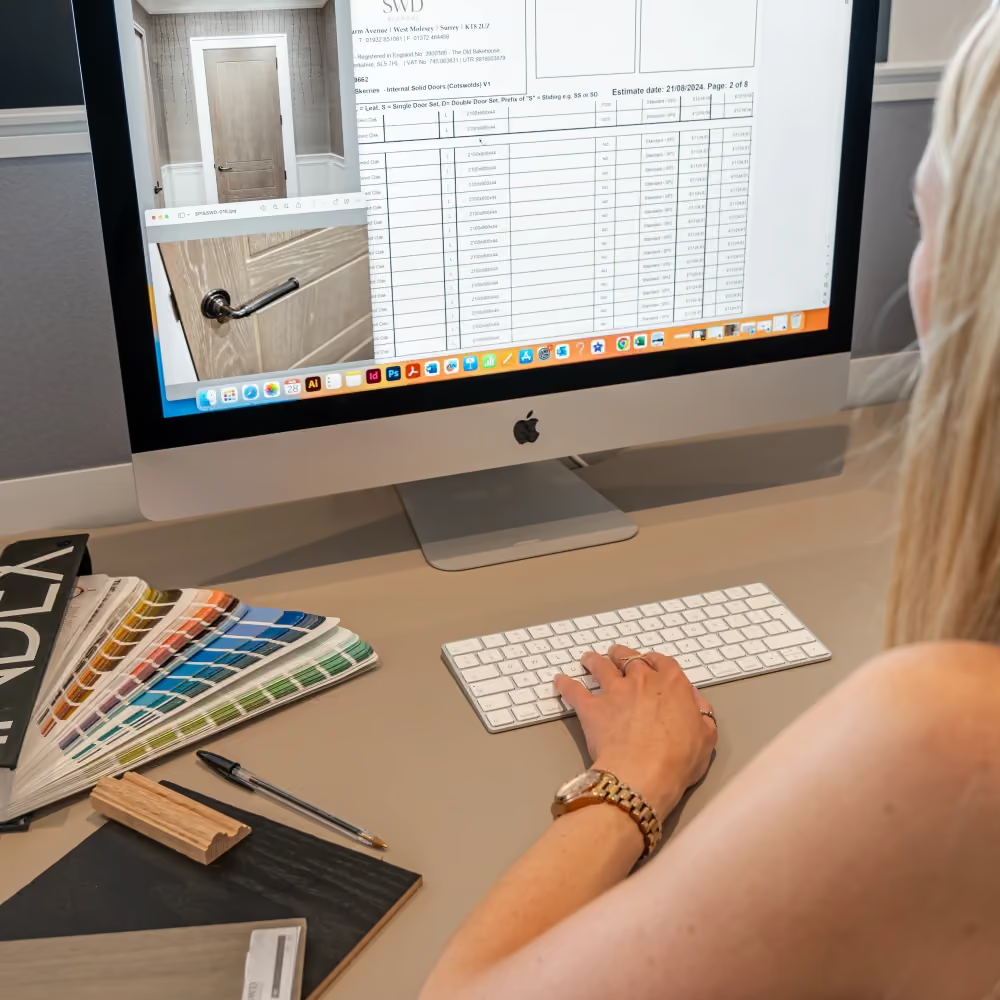
At SWD, material selection forms part of the initial design discussion rather than a final specification exercise. This allows every element to evolve together and make sure that the finished door feels integrated within the wider project rather than added afterwards.
What Will Stand the Test of Time?
Few materials possess the enduring appeal of natural timber, which has been associated with craftsmanship and luxury for decades. Whilst design trends may evolve, the appeal of natural wood remains remarkably consistent because every piece possesses its own character. This quality explains why wood continues to remain a preferred material within high-end residential design.
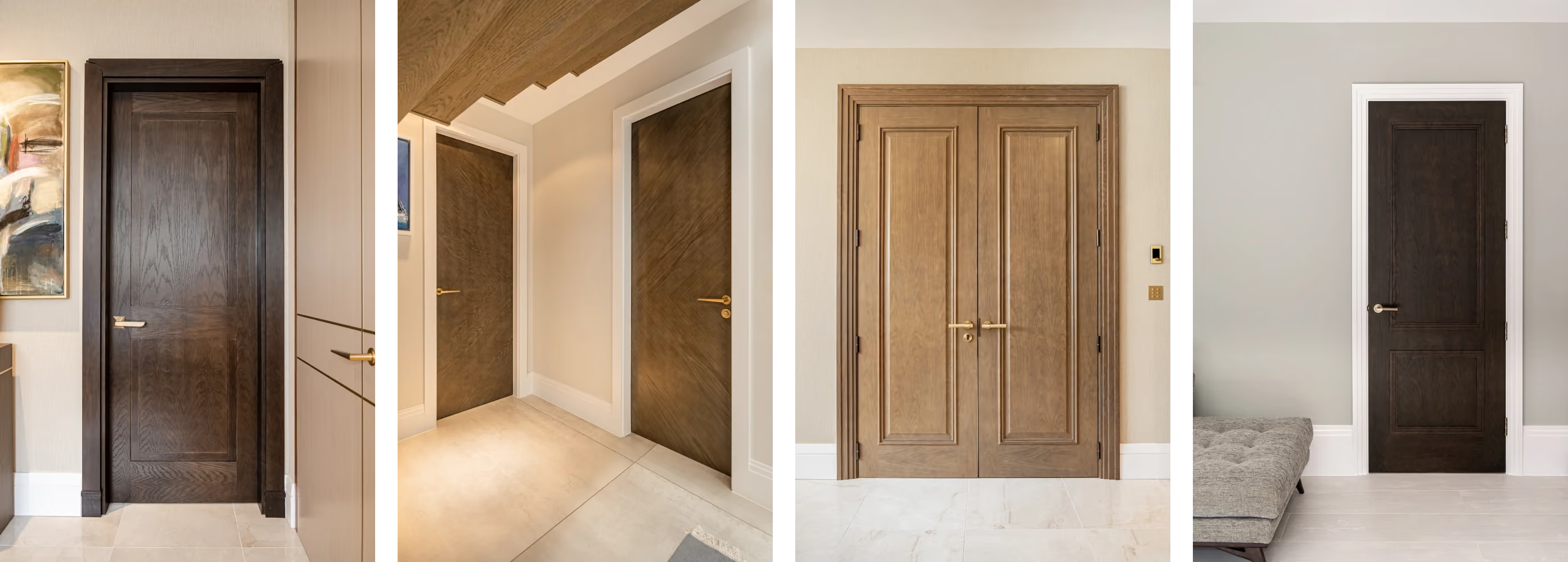
Grain patterns and tonal variations introduce a level of individuality that cannot be replicated exactly. Within luxury interiors, veneers offer the opportunity to retain this natural character whilst achieving a highly refined and consistent appearance across larger architectural elements.
Why Material Consistency Matters
Luxury interiors rarely rely on a single standout feature and more often than not, they succeed because individual elements work together consistently. This doesn’t mean that every material needs to match exactly; instead, there should be a clear thread running throughout the property; whether through carefully selected veneers, contrasting metal inlays or thoughtful hardware finishes, it’s these details that transform a door from a functional necessity into a defining part of the home.
Explore SWD’s materials & finishes, hardware range and internal door collections to discover how different material combinations can shape the final design.


.jpg)