


As the light softens and we head towards a cosier season, we can already feel a change in how interiors are approached. Colour palettes are already deepening and home accessories that felt purely decorative in summer are starting to be exchanged for those that feel more considered.
At SWD we’ve seen trends weave in and out over the last twenty years, but as luxury door specialists we tend to view these from a holistic perspective, which includes through the lens of joinery, hardware, material finishes and the other little details that hold a room together, rather than paint colours or soft furnishings. In our experience, it’s often these design decisions that actually set the tone for a season, long before anything else changes.
In this blog we're sharing the insights that we’ve gathered together over the last 12 months; ones that we think will populate the season ahead but also ones which we believe will stand the test of time. Here are the five interior design trends that we're taking into autumn.
1. Is Soft Contrast the New 'Warm Minimalism'?
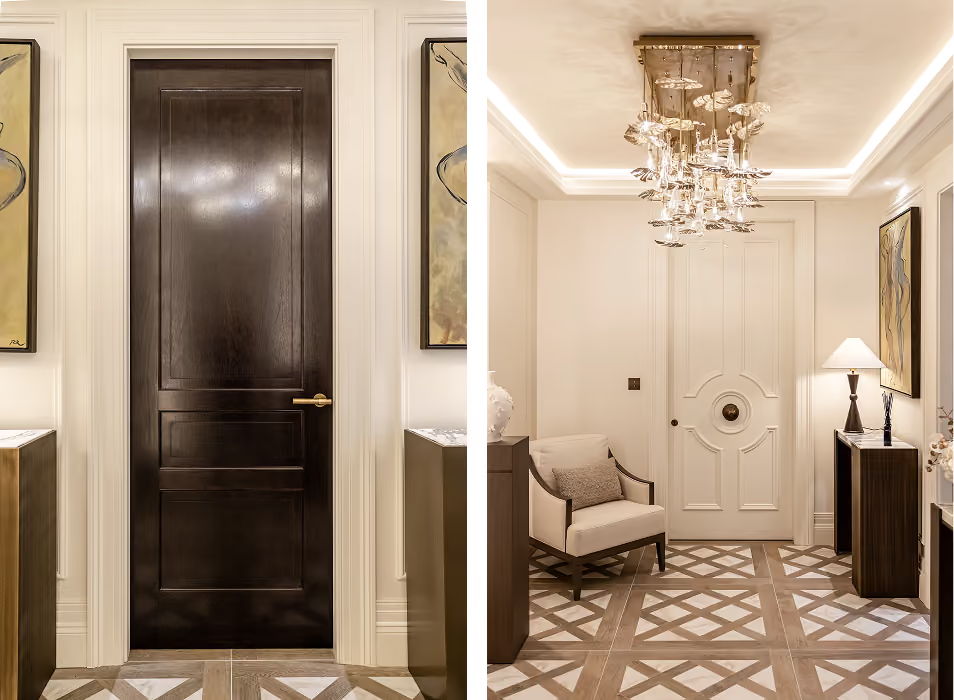
Warm minimalism has been building for a while now and it's arguably going to be the defining mood in Autumn for residential interiors. We’re seeing a marked move away from stark white walls and cool greys towards natural textures and warmer metals. What's interesting though, is how this is playing out in practice. Rather than everything matching in temperature and tone, the most successful schemes are using gentle, considered contrast within that warmth; a pale, chalky wall against a rich timber veneer, or a soft, painted door paired with darker hardware.
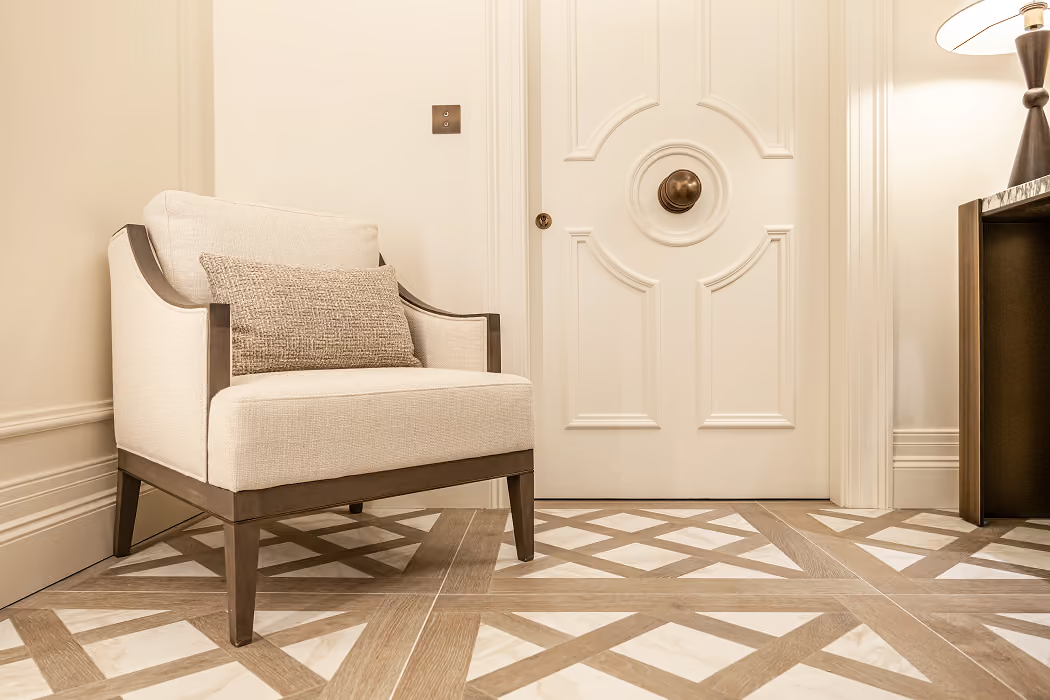
It's contrast without cold and it’s this subtlety that suits bespoke joinery particularly well, especially since finishes can be specified precisely enough to sit just the right side of that line.
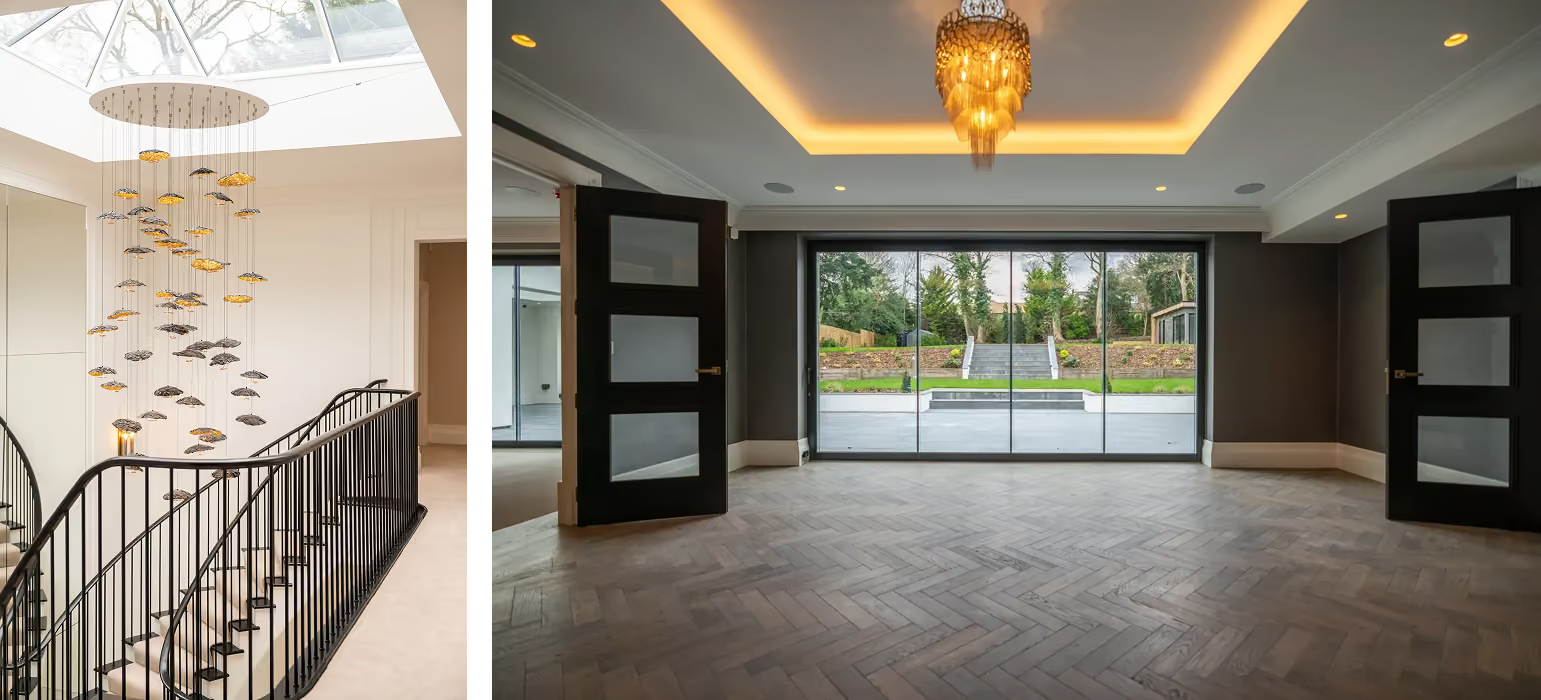
Where this becomes especially useful is within individual rooms rather than a whole house. A hallway can lean towards warmth by using natural wood tones combined with antique brass hardware, whilst a room nearby can take on a slightly cooler, more restrained palette by using similar hardware; without the two feeling disconnected. It's this room-by-room flexibility, rather than a single fixed formula, that seems to be defining warm minimalism this season.
2. Decorative Architectural Details
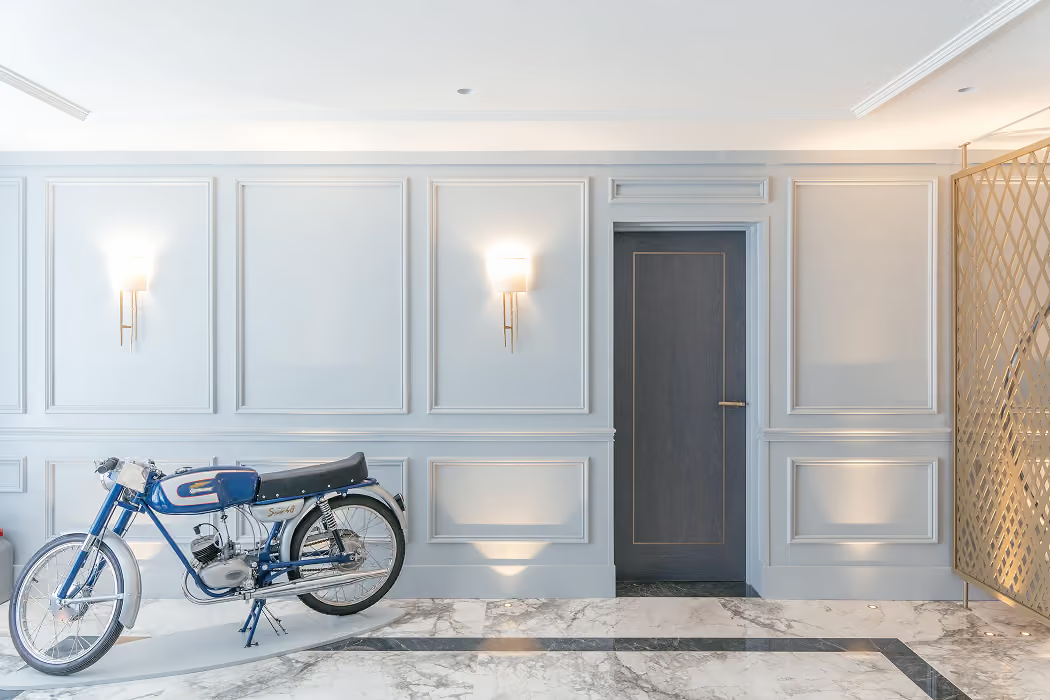
After a long stretch of flush, minimal detailing, architectural character is already making a firm return. Panelling and architraves are being treated as part of a room's design rather than a finishing formality, with the same being true of internal doors and screens.
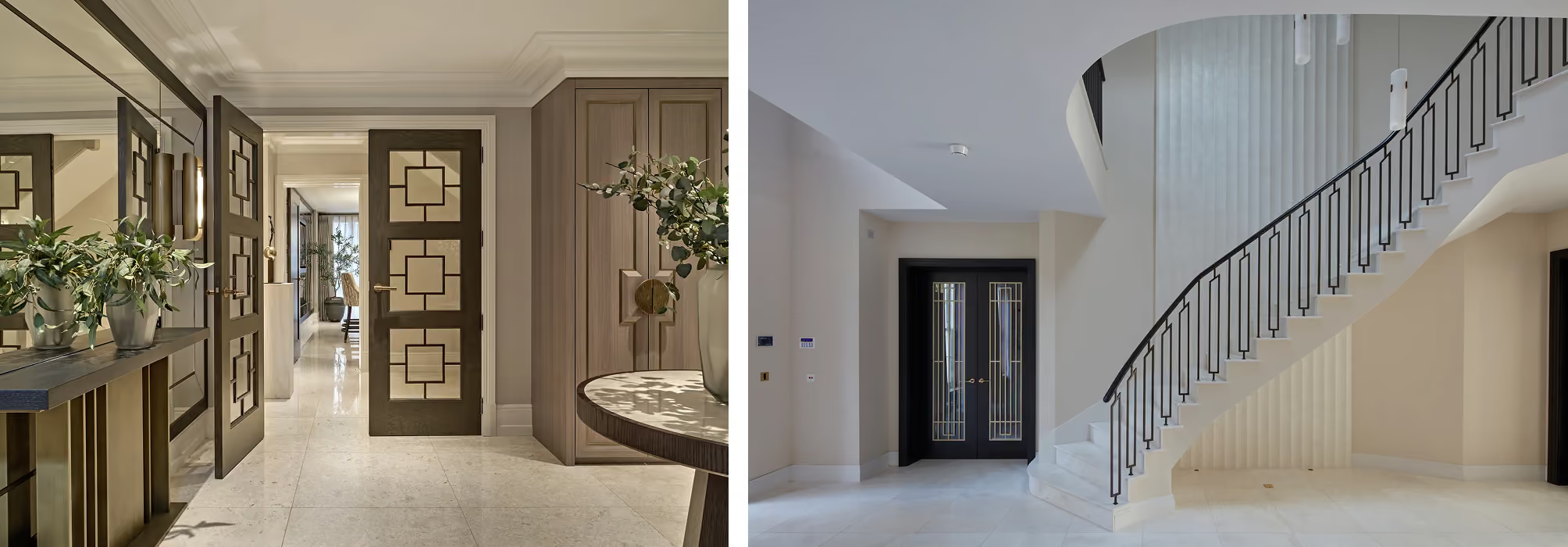
Our Lattice Collection, with designs like Lattice Deco II and Lattice Grilles, are good example of this shift; bold, decorative metalwork that turns a doorway or room divider into a genuine architectural feature.
The appeal isn't purely visual either; panelling and detailed framework can add a sense of permanence to a room, which is particularly valuable in newer builds where walls can otherwise feel a little flat.
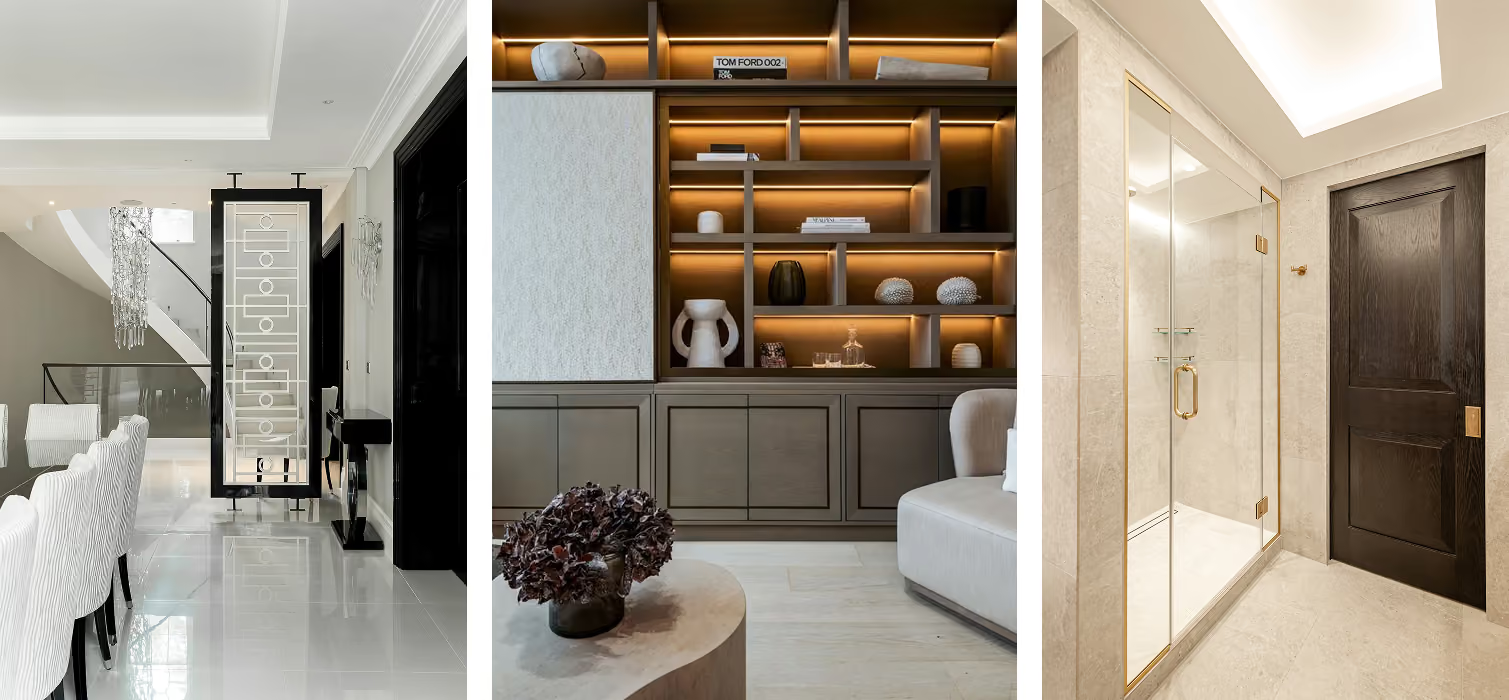
Reintroducing these details, whether through a decorative screen, bespoke complementary joinery, a moulded architrave or a panelled door, gives a home a sense of craftsmanship that's felt as soon as you walk through it.
3. Luxury Defined by Texturel
.avif)
Smooth, uniform surfaces are giving way to texture and it's a trend that we're seeing across furniture, joinery and hardware alike. It's there in the finely detailed SWCTH2 or the smooth, sculptural SWCKO1 cabinet handles; rewarding touch as much as sight. Texture doesn't have to mean matt or raw either, a high gloss finish can feel just as luxurious when it's used to sharpen and reflect the details beneath it, so the two approaches sit well together rather than in competition.
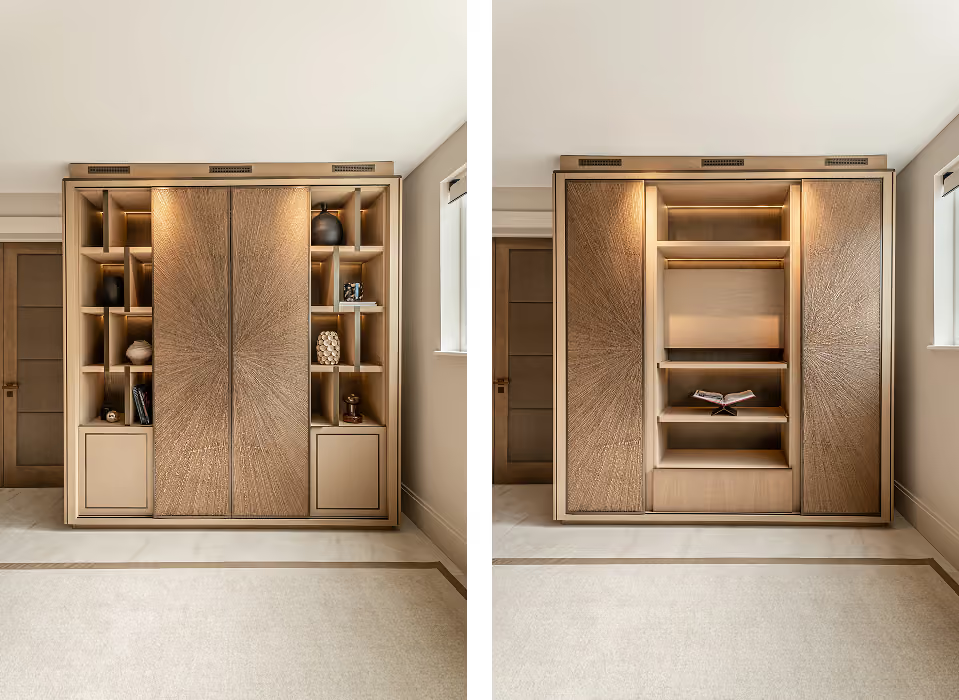
This layering carries through into furniture too. For example, the Windsor Book Shelf uses a fluted, sunburst veneer across its sliding doors, catching the light differently as it moves across the room throughout the day and turning what could have been a flat surface into something with genuine depth. Texture, in other words, isn't confined to what you touch; it's just as much about how a surface changes throughout the day.
4. Layered Lighting
Continuing on naturally from texture, one adjacent rule that most designers agree on is that a single ceiling light is never enough. Layered lighting, combined with striking pieces of furniture is becoming standard practice, giving rooms the flexibility to shift from bright and functional during the day to something softer come evening.
.avif)
It's a principle that we use when building our furniture as much as our doors. The Windsor TV Unit and Windsor Book Shelf both use integrated shelf lighting to pick out ornaments and books rather than flooding a room, adding a genuine accent layer without a single extra fitting.
.avif)
Alongside them, a piece like the Capri Console Table is designed with exactly this kind of styling in mind, giving a pair of table lamps a considered surface to sit on rather than an afterthought.
.avif)
Glazing plays its part too; doors such as The Meridian and the Lattice Deco allow natural light to travel between rooms during the day, then let the warmth of interior lighting spill through in the evening.
It's a reminder that lighting design isn't confined to lamps and fittings alone. An illuminated shelf, a glazed panel or even the way that light catches a polished handle, can all contribute to how a room feels lit, long before a single ‘big light’ is even switched on.
5. Interiors That Feel Curated Not Matching
Perfectly matched sets are losing ground to interiors that feel collected over time; pieces that harmonise rather than match exactly, giving a room more depth and personality.
.avif)
The same principle applies to hardware. Rather than specifying a single finish throughout a home, our hardware range allows each room to be finished on its own terms, whether that means a warmer tone in a lighter parts of the home and a cooler tone in cosier areas, so that the overall effect feels truly considered.
.avif)
This isn't about mismatching for its own sake; it still very much relies on an underlying logic, whether that's a shared material or simply a considered palette that ties everything together. The difference is that the connection between rooms becomes something felt rather than something immediately obvious, which is often what makes a home feel personal rather than showroom-perfect.
Bringing These Trends into Your Home with SWD
Trends come and go but the ones that continue to resurface tend to share something in common: they encourage a more considered approach to the details that make up a home. Whether it's the contrast between a door and its surrounding architrave or the texture of the handle in your palm; these are the elements that the team at SWD consider every day.
Explore our internal door, hardware and materials & finishes collections for inspiration, or get in touch with our team to discuss how to bring this season's trends into your own project.

.jpg)